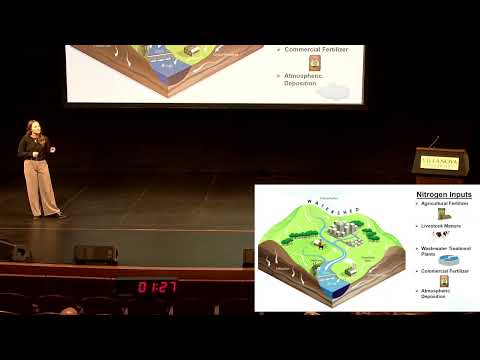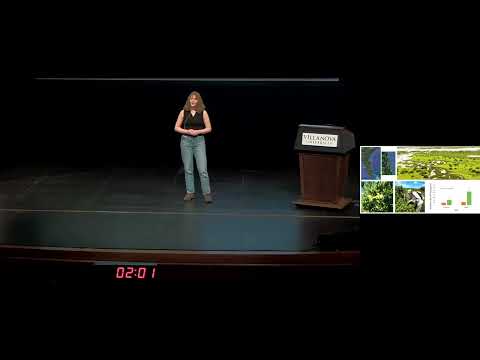
This research investigates how nitrogen pollution influences the reproduction and northward migration of black mangroves under climate change. Increased nitrogen boosts reproduction, potentially accelerating coastal expansion. As mangroves protect shorelines from erosion and storms, understanding these dynamics is crucial for environmental management and climate adaptation strategies.
This research examines how neonicotinoid pesticides affect frog immune systems, contributing to amphibian decline. Since frogs naturally control mosquito populations, their loss may increase the spread of diseases like malaria. The study aims to inform regulatory policies by linking pesticide exposure to weakened immunity, disease susceptibility, and broader public health risks.
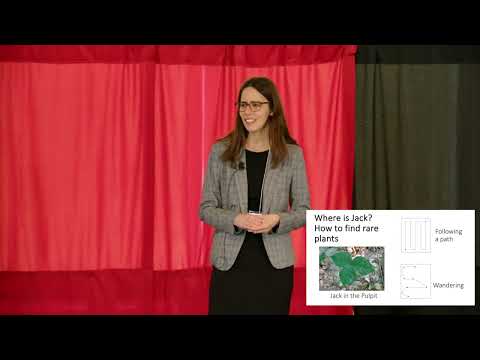
This study compares systematic versus exploratory search strategies for locating rare plants. Surprisingly, both methods performed equally, with low detection overall. Challenges such as navigation difficulty and multitasking may explain the results. The findings highlight the need for improved search methods to better identify and protect rare, threatened plant species.
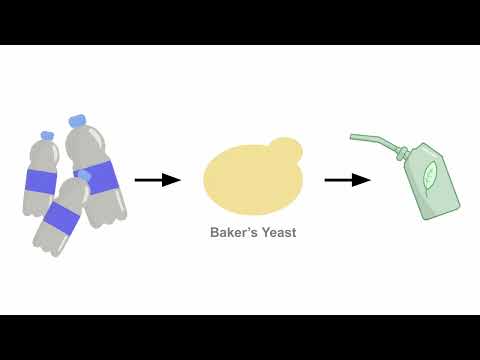
This research engineers yeast to convert PET plastic waste into valuable chemicals like PCA, enabling the production of biofuels, pharmaceuticals, and biodegradable materials. By transforming low-value plastic into high-value products, it offers a scalable biotechnological solution to reduce pollution and support the transition to sustainable, circular economies.
This research investigates methane emissions from restored marshes as a climate solution. While marshes sequester CO₂, their methane output varies widely. By measuring emissions and environmental factors, the study examines how interactions influence outcomes, highlighting that restoration can aid climate mitigation but requires deeper understanding to ensure effectiveness.
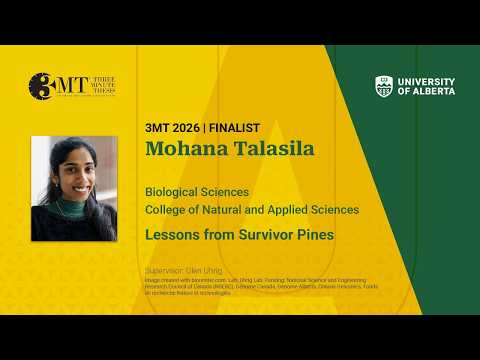
This research investigates genetic resistance in pine trees that survive mountain pine beetle attacks. By identifying protective genes and testing them in fast-growing model plants, it reveals how trees defend themselves. The findings support breeding more resilient forests, helping address large-scale ecological damage and ensuring the future sustainability of Western Canada’s forests.
Heavy metal contamination in boreal forest soil particularly by Cadmium (Cd), Copper (Cu), Lead (Pb), and Zinc (Zn) is an environmental issue associated with mining. Heavy metal contaminated soil causes food chain contamination, detrimental effects on humans, contamination of natural waters and impairment of plant growth. Chemical immobilization combined with phytostabilization is a promising remediation strategy of heavy metal contaminated soil. In this technique, various kinds of amendments are added to soil which immobilize heavy metals whereas an established vegetation cover stabilizes heavy metals within the rhizosphere zone. This project will assess the effectiveness of modified biochar as amendments in immobilizing Cd, Cu, Pb, Zn in acidic boreal forest soils with different levels of concentrations. Additionally, it will evaluate the phytostabilization potential of native Canadian grass species to reduce mobility and bioavailability of these heavy metals contributing to development of effective remediation measures in multi-metal contaminated boreal forest ecosystems.
Pagination
- Previous page
- Page 2
- Next page