This research uses a computational method called MELT to identify hidden allosteric pockets in shape-shifting proteins like BCR–ABL kinase. By targeting these pockets, drugs can stabilize inactive protein states, overcoming resistance caused by protein flexibility and enabling more effective, adaptable strategies for drug discovery.
2025
This research tackles antibiotic resistance by developing nano-scale microfluidic cultures that isolate and study previously unculturable bacteria. By screening rare microbes and directly testing their antimicrobial activity, the platform accelerates discovery of new antibiotics, offering a powerful tool against drug-resistant superbugs.

This research isolates and characterizes new flavonoids from Colona leonei with promising anti-cancer properties. These compounds selectively target cancer cells while sparing healthy ones. Upcoming tests will assess their effectiveness on cancer cell lines. The work also highlights preventive benefits of flavonoid-rich foods and frames cancer as a global, personal, and societal challenge.
This research targets the earliest stage of allergic and asthmatic immune reactions by blocking key cytokine “messages” sent from T cells to B cells. Using drug-discovery techniques, the project identifies compounds that prevent immune overreaction before symptoms begin, aiming to develop a new class of long-lasting preventative allergy and asthma treatments.

The talk explains how drug discovery struggles with the enormous size of chemical space, where only a few molecules become effective medicines. Using miniaturized chemical libraries and off-rate screening, the researcher accelerates structure–activity relationships (SAR) mapping without purification. This approach has already produced promising breast-cancer drug candidates and could dramatically reduce drug-development costs.
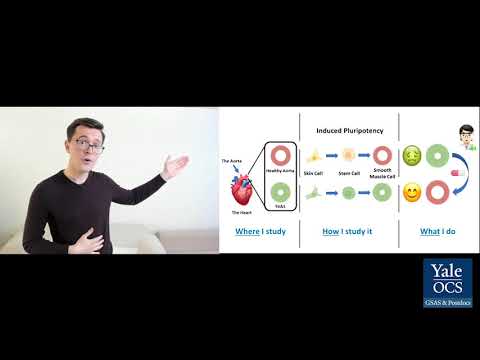
SVAS (Supravalvular Aortic Stenosis) is a rare condition where the aorta loses elasticity, causing dangerous thickening and narrowing. Using stem-cell technology, the researcher converts skin cells into aortic smooth muscle cells to study the disease and test treatments. A promising compound restores elasticity-related structures, offering hope for future therapies and broader disease modelling.

This research searches for new antibiotics in deep-sea sponge bacteria that have evolved for 580 million years to defend their hosts. By growing these never-before-seen microbes and testing them against superbugs like MRSA, the project aims to discover urgently needed antibiotics to combat rising antimicrobial resistance.