Year
2025
Summary

This research develops a new vision test to improve glaucoma detection, especially in short-sighted individuals. By measuring the smallest rapidly flashing visual stimulus rather than the dimmest, the method better distinguishes glaucoma from myopia, enabling earlier diagnosis, reduced misdiagnosis, and improved outcomes for patients at risk of vision loss.

Year
2025
Summary

My research develops smart polymer wound dressings that detect infections in chronic wounds through a visible color change. By providing immediate, non-invasive alerts, these materials enable faster treatment, reduce hospitalizations and amputations, and improve outcomes for people with diabetes and chronic wound conditions.

Year
2025
Summary

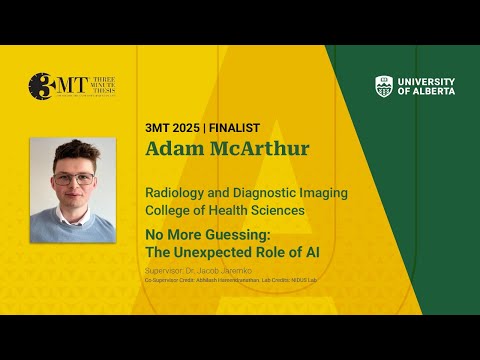
Hip dysplasia is often diagnosed too late or too inconsistently, leading to lifelong pain. The speaker’s research builds the first open-access AI tool for detecting and studying the condition, enabling portable automated diagnosis and global collaboration. By sharing tools instead of guessing, researchers can reduce unnecessary surgeries and improve outcomes worldwide.

Organisation
Year
2025
Summary

My research uses AI and wearable technology to track brain and body signals such as brain waves (EEG), heart rate, and movement. The goal?  Spotting early signs of Alzheimer's and Parkinson's before symptoms show up. Catching these subtle changes could mean helping people sooner, letting them enjoy the everyday moments that matter most

Organisation
Year
2018
Summary

This research develops a PET material coated with nature-inspired nano-spikes that kill bacteria on contact. By preventing infections on medical devices, the technology can reduce antibiotic use and slow the rise of superbugs. The nano-spikes puncture bacterial cell walls, stopping movement, division, and ultimately causing cell rupture.

Organisation
Year
2025
Summary

This research tests a new personalised care model for Parkinson’s called Prime Care, offering rapid access to support and tailored interventions based on each patient’s risk of hospital admission. A two-year clinical trial of 214 participants will determine whether this approach improves wellbeing and reduces costly, harmful hospital stays.

Organisation