This research develops realistic surgical simulation models using 3D printing to improve training for complex procedures. By enabling repeated practice in a safe environment, the models enhance skill, confidence, and performance. The work aims to make advanced surgical training more accessible while reducing errors and improving patient outcomes.
2026
This research uses machine learning to predict trauma demand and optimise hospital scheduling. By forecasting patient volume and dynamically allocating operating rooms, it reduces cancellations, improves efficiency, and lowers costs. The system has the potential to transform healthcare delivery by balancing emergency and elective care more effectively.
Despite major advances in medicine, wound care has changed little in a century. This research explores how natural electrical signals in injured skin guide healing. By developing devices that mimic these signals, scientists aim to accelerate recovery and improve treatment for chronic wounds through bioelectric control of cellular behaviour.
2026
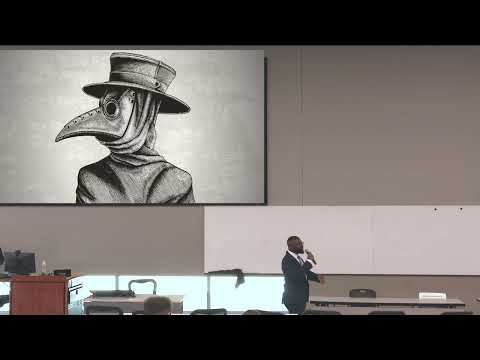
This talk traces the devastation of the Black Death to highlight a modern crisis: antibiotic resistance. Misuse of antibiotics accelerates the rise of superbugs. Using AI and machine learning, the research identifies genetic resistance patterns and guides effective treatments, aiming to improve clinical decisions and prevent a return to a pre-antibiotic era.
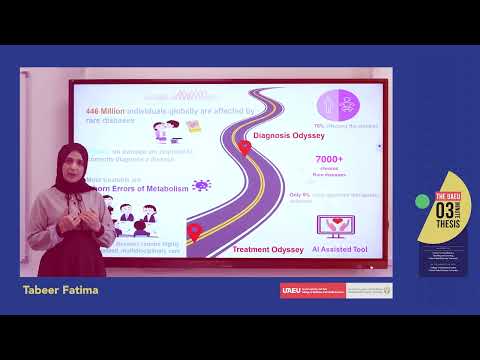
This research uses artificial intelligence to support treatment decisions for rare diseases. By organizing verified medical knowledge into an AI assistant, it helps clinicians and families access reliable guidance, reducing the treatment odyssey and transforming rare-disease diagnoses into clearer, more hopeful care pathways.
2025
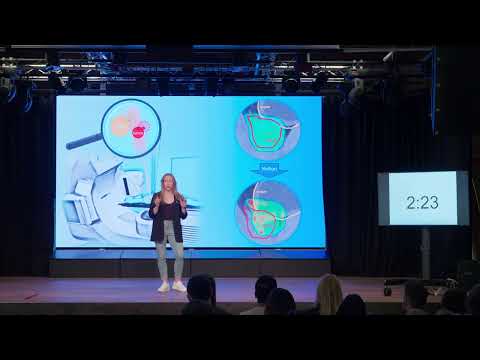
Body motion during radiotherapy can misalign radiation delivery, risking tumor underdosing and healthy tissue damage. This research introduces real-time dose calculation software that tracks motion during treatment, enabling immediate corrections. Clinical testing shows one in five treatments benefit from adjustment, significantly improving radiotherapy safety and effectiveness.
This research develops a new vision test to improve glaucoma detection, especially in short-sighted individuals. By measuring the smallest rapidly flashing visual stimulus rather than the dimmest, the method better distinguishes glaucoma from myopia, enabling earlier diagnosis, reduced misdiagnosis, and improved outcomes for patients at risk of vision loss.
My research develops smart polymer wound dressings that detect infections in chronic wounds through a visible color change. By providing immediate, non-invasive alerts, these materials enable faster treatment, reduce hospitalizations and amputations, and improve outcomes for people with diabetes and chronic wound conditions.
Hip dysplasia is often diagnosed too late or too inconsistently, leading to lifelong pain. The speaker’s research builds the first open-access AI tool for detecting and studying the condition, enabling portable automated diagnosis and global collaboration. By sharing tools instead of guessing, researchers can reduce unnecessary surgeries and improve outcomes worldwide.

2025
My research uses AI and wearable technology to track brain and body signals such as brain waves (EEG), heart rate, and movement. The goal? Spotting early signs of Alzheimer's and Parkinson's before symptoms show up. Catching these subtle changes could mean helping people sooner, letting them enjoy the everyday moments that matter most