
This research develops a machine learning system that automatically assesses the quality of wearable sensor data before it is used for clinical decision-making. By filtering unreliable signals and distinguishing noise from genuine health events, the approach aims to improve diagnostic accuracy, reduce false alarms, and enable trustworthy medical use of wearable technologies.
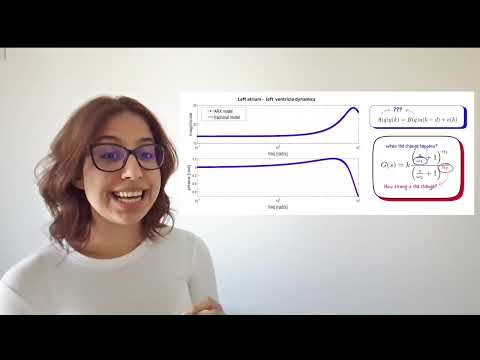
This research presents a new fractional mathematical model for cardiovascular dynamics that maintains the accuracy of traditional methods while greatly reducing complexity. Using only five interpretable parameters instead of twenty, the model analyzes blood pressure in the frequency domain, providing clearer insight into heart function and offering potential improvements for diagnosis and treatment.

My research develops smart polymer wound dressings that detect infections in chronic wounds through a visible color change. By providing immediate, non-invasive alerts, these materials enable faster treatment, reduce hospitalizations and amputations, and improve outcomes for people with diabetes and chronic wound conditions.