
This research develops a machine learning system that automatically assesses the quality of wearable sensor data before it is used for clinical decision-making. By filtering unreliable signals and distinguishing noise from genuine health events, the approach aims to improve diagnostic accuracy, reduce false alarms, and enable trustworthy medical use of wearable technologies.

2025
Sunny-day flooding is becoming common in coastal North Carolina. Sensors revealed 65 flood days per year, and water-quality tests showed fecal contamination up to 100× above closure standards. A new computer model tracks how contaminated floodwaters move, helping identify hotspots and supporting safer water-quality advisories and flood-defense planning.
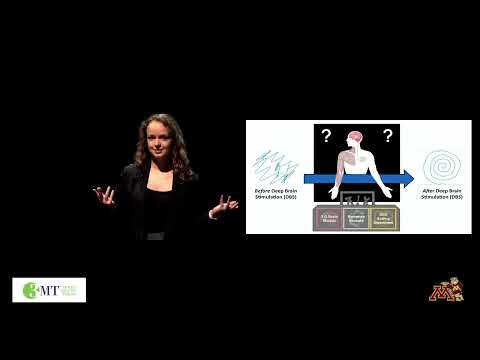
This research uses advanced brain imaging, long-term clinical monitoring, and sensor data to understand why deep brain stimulation helps Essential Tremor patients—and why it sometimes stops working. By modelling neural pathways and analysing two-year outcomes, the project identifies optimal DBS targets and the main causes of treatment failure, improving long-term patient care.