Year
2025
Summary

This research investigates taste alterations experienced by cancer patients during chemotherapy and radiotherapy. Using electrogustometry and flavour profile analysis, the study measures and categorizes changes in taste perception to guide the development of tailored food products that improve nutrition, comfort, and quality of life for people undergoing cancer treatment.

Year
2024
Summary

This research investigates how melanoma switches between two gene states—one fast-growing and treatable, the other slow but highly invasive and responsible for brain metastases. By identifying genes that control this transition, the study aims to force melanoma into a more treatable form, improving therapeutic options and patient outcomes.

Year
2025
Summary

This research engineers immune T cells to better fight ovarian cancer. By modifying them to recognize tumor-specific proteins and resist cancer’s suppressive signals, the project strengthens the body’s natural defenses. The goal is to improve immunotherapy effectiveness, overcome tumor resistance, and increase survival rates for women facing this deadly disease.

Year
2025
Summary

Cancer often becomes resistant to treatment due to the protein CDK8, which helps reprogram cancer cells. Traditional inhibitors fail because CDK8 still acts as a structural scaffold. This research develops targeted degraders that use the cell’s recycling system to eliminate CDK8 entirely, preventing resistance and improving future cancer therapies.

Year
2025
Summary

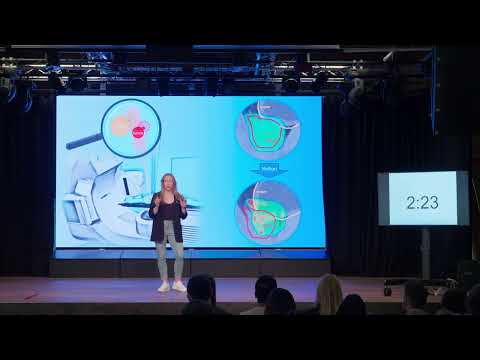
Body motion during radiotherapy can misalign radiation delivery, risking tumor underdosing and healthy tissue damage. This research introduces real-time dose calculation software that tracks motion during treatment, enabling immediate corrections. Clinical testing shows one in five treatments benefit from adjustment, significantly improving radiotherapy safety and effectiveness.

Organisation
Year
2025
Summary

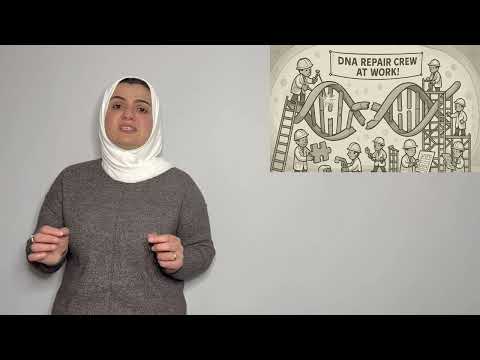
This research investigates how cells repair dangerous DNA double-strand breaks through the non-homologous end joining pathway. By identifying key proteins involved in this error-prone repair process, the work reveals new opportunities to sensitise cancer cells to radiation and chemotherapy, potentially improving treatment outcomes for aggressive cancers.

Organisation
Year
2025
Summary

Brain surgeons struggle to distinguish tumor from healthy tissue in real time, risking life-altering surgical mistakes. This research uses polarimetric imaging and machine-learning algorithms to reveal tumor borders instantly by analysing subtle differences in tissue structure. Faster, clearer, real-time imaging could revolutionise brain surgery and dramatically improve patient outcomes.

Year
2025
Summary

This research investigates a novel two-drug therapy for ovarian cancer that kills cancer cells without harming healthy tissues and partially reactivates the suppressed immune system. The PhD work explores how this immune “reawakening” occurs, aiming to identify new strategies to enhance it and create more effective, resistance-proof treatments.