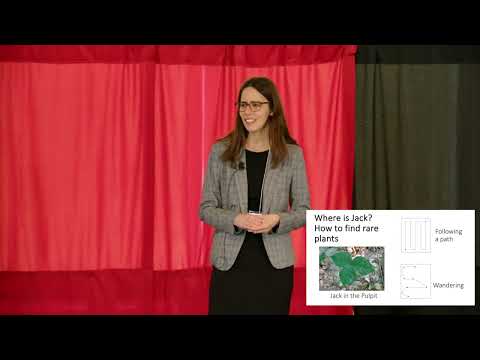
This study compares systematic versus exploratory search strategies for locating rare plants. Surprisingly, both methods performed equally, with low detection overall. Challenges such as navigation difficulty and multitasking may explain the results. The findings highlight the need for improved search methods to better identify and protect rare, threatened plant species.
2026
This research shows that pauses in information streams alter decision-making. After a break, the brain increases effort, giving greater weight to subsequent information—a “peak-after-break” effect. A computational model explains this as a performance-effort tradeoff. Findings challenge traditional theories and suggest strategic pauses can shape attention, memory, and judgment.
2026
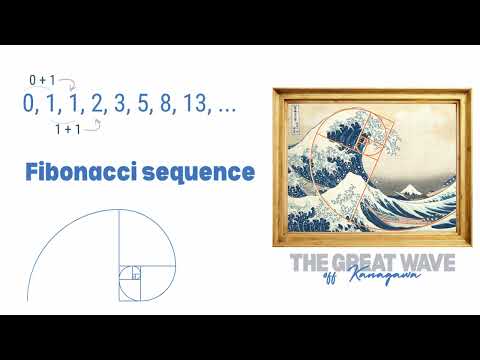
This research develops a new way to measure mathematical language by integrating words, symbols, and graphs. Through experimental tasks, it shows that these skills predict mathematical performance. The findings highlight the importance of teaching connections between representations, with implications for improving mathematics education and understanding how language shapes learning.