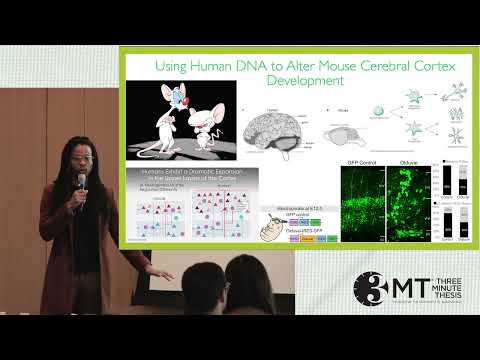
This research inserts a human-specific DNA sequence into mice to study cerebral cortex development. The modified mice show increased upper-layer neurons and glial cells, revealing how human brain evolution supports higher cognition. These findings improve understanding of human brain specialization and the origins of neurological disorders.

My research investigates AU403, a novel LXR agonist, as a potential treatment for frontotemporal dementia. Using mouse brain slice models, the study shows that AU403 restores damaged myelin, improves neuronal communication, and reverses disease-like symptoms, offering hope for a condition with no approved therapies.

This research develops a new vision test to improve glaucoma detection, especially in short-sighted individuals. By measuring the smallest rapidly flashing visual stimulus rather than the dimmest, the method better distinguishes glaucoma from myopia, enabling earlier diagnosis, reduced misdiagnosis, and improved outcomes for patients at risk of vision loss.

Migraine affects over 10% of people and disproportionately impacts women. This research studies sex differences in brain circuits using mouse models to understand why. By manipulating neural pathways, findings show certain circuits trigger migraine-like sensitivity only in females. Mapping these circuits may enable personalized, more effective migraine treatments.

This study tests whether CBD genuinely reduces anxiety in people with social anxiety disorder. Fifty participants will receive either pharmaceutical-grade CBD or a placebo before a stressful mock interview. Researchers will measure subjective and physiological anxiety and scan participants’ brains to detect CBD’s effects, providing the first clinical evidence for or against its effectiveness.
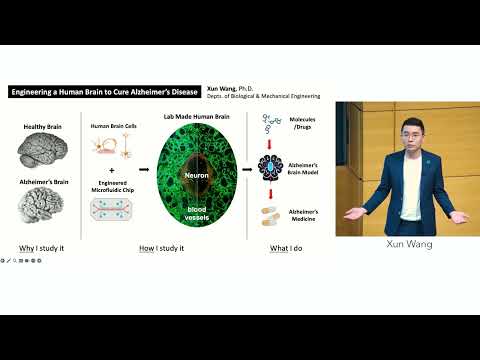
This research develops one of the most advanced human-engineered brain models to better study Alzheimer’s disease and test treatments. Using microfluidic chips containing all key brain cell types, blood-vessel systems, and Alzheimer’s-model neurons, the project enables efficient drug testing, personalised disease modelling, and the possibility of replacing animal testing in the search for a cure.
2022
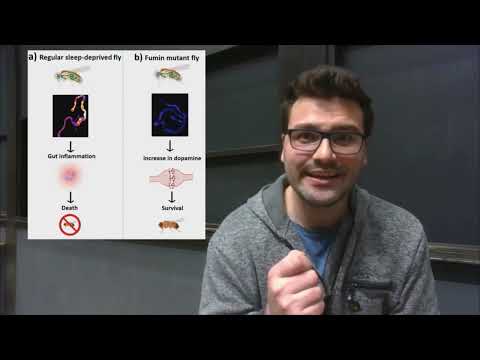
Fruit flies normally die from sleep loss due to lethal gut inflammation. But a mutant “fumin” fly, which sleeps very little, survives without inflammation. This research investigates how altered dopamine processing protects these flies, offering insight into why sleep is essential and how sleep loss contributes to disease.

2022
This research tests whether psychedelics improve adaptability in mice. After learning reward rules, mice with a single psychedelic treatment relearned new rules faster and used more information—learning not only from rewards but also from missed rewards. The findings suggest psychedelics enhance behavioral flexibility, offering clues for developing future mental health treatments.

2020
This research explores neural remodeling—the process by which neurons form new connections after spinal cord injury. Using mouse models, the work identifies genes involved in detour pathways and enhances them through gene therapy, strengthening recovery. The goal is to develop future treatments that improve functional outcomes for people with central nervous system injuries.

This research uses a validated rodent model of psychosis to study sensory-filtering deficits linked to schizophrenia. Instead of blocking dopamine D2 receptors, the study uses CDPPB to modulate mGlu5 receptors and reduce D2 hypersensitivity. Treatment restores normal sensory gating, suggesting a promising therapeutic pathway with fewer side effects than current antipsychotics.