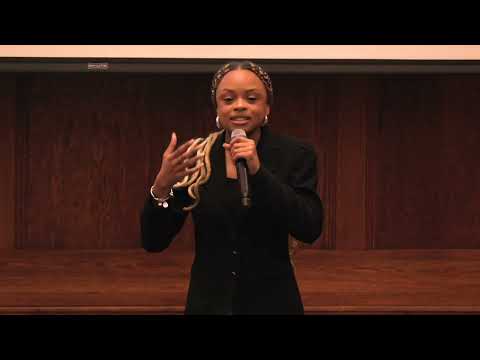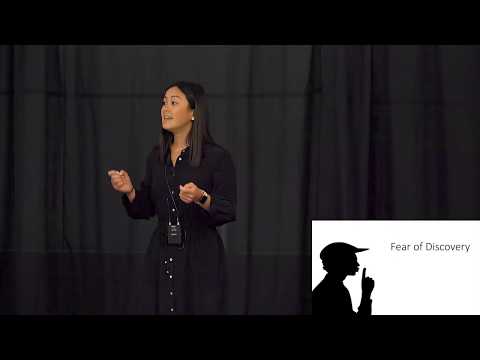
This thesis uses theatrical horror to confront the “superwoman schema” that discourages Black women from seeking mental health care. By breaking theatrical contracts to induce unpredictability and empathy, the work mirrors the societal rupture Black women face when pursuing therapy, motivating audiences toward understanding and systemic change.
This research tests whether psychedelics improve adaptability in mice. After learning reward rules, mice with a single psychedelic treatment relearned new rules faster and used more information—learning not only from rewards but also from missed rewards. The findings suggest psychedelics enhance behavioral flexibility, offering clues for developing future mental health treatments.
Small business owners face high rates of anxiety, burnout and financial stress. This research shows business advisors—accountants, bookkeepers, consultants—can effectively support clients’ mental health when trained. Evaluating a large-scale advisor training program, the study finds advisor-led support improves owner well-being and offers a scalable solution to Australia’s small-business mental-health crisis.
This research investigates why people struggle with interpersonal problem-solving, especially in the context of psychological disorders. Using surveys and the MEPS task with 160 participants, the study found that emotion-regulation difficulties and experiential avoidance explain 46% of poor problem-solving. Improving emotional acceptance may significantly enhance responses to interpersonal conflict.
Pagination
- Previous page
- Page 2