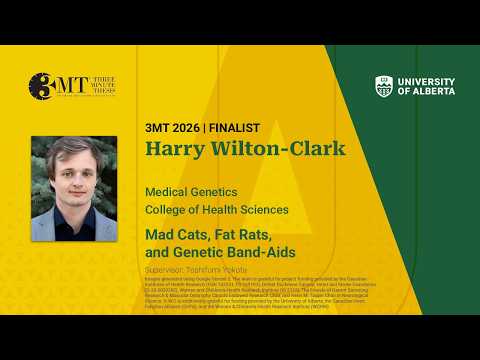
This research targets rare genetic diseases caused by frameshift mutations using antisense oligonucleotides as “genetic band-aids.” By masking faulty DNA segments, it restores functional protein production. Demonstrated in muscular dystrophy models, this approach offers a scalable strategy to treat multiple rare diseases, addressing a major gap where most conditions lack effective therapies.

2026
Myasthenia gravis is a rare autoimmune disease disrupting communication between nerves and muscles. Analysis of 36 years of national data shows diagnoses are increasing and mortality risk is highest in the first year after diagnosis. Earlier recognition and intervention could improve outcomes by identifying critical periods when treatment is most effective.
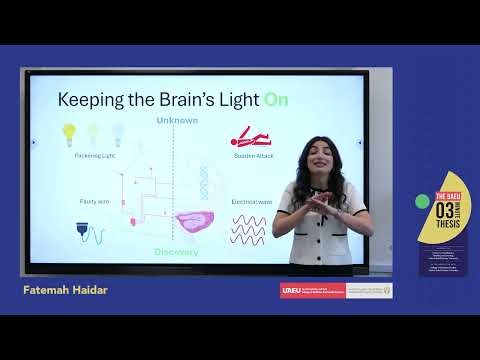
This research investigates episodic ataxia type 1, a rare disorder causing sudden loss of coordination. A genetic mutation triggers abnormal brain firing and electrical waves in the cerebellum. By tracking these waves in mice, the work aims to identify ways to prevent attacks and restore motor control.
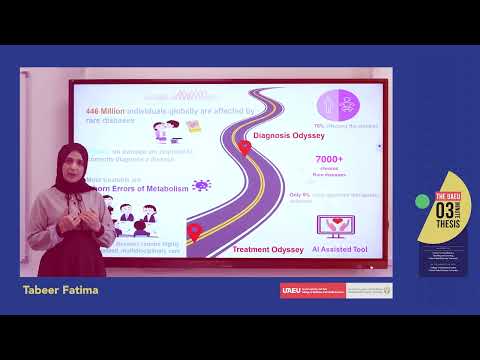
This research uses artificial intelligence to support treatment decisions for rare diseases. By organizing verified medical knowledge into an AI assistant, it helps clinicians and families access reliable guidance, reducing the treatment odyssey and transforming rare-disease diagnoses into clearer, more hopeful care pathways.
This research develops a nanoparticle-based diagnostic test for thrombotic thrombocytopenic purpura (TTP), a rare and deadly blood disorder. By enabling fast, affordable detection of the ADAMTS13 enzyme, the system could allow earlier diagnosis, timely treatment, and improved survival while inspiring new approaches to rare disease diagnostics.