
This research uses artificial intelligence and astronomical data to search for signs of extraterrestrial intelligence. By applying anomaly-detection techniques to telescope images, the project identifies unusual signals or patterns that may indicate intelligent activity, with the ultimate goal of detecting and decoding potential messages from civilizations beyond Earth.

This research applies fluid mechanics, numerical simulations, and machine learning to model the brain’s waste-clearance system during sleep. By investigating how fluid moves through brain tissue and how aging or injury affect this process, the work aims to identify strategies for preventing or slowing neurodegenerative diseases such as Alzheimer's.

This research develops an AI model that combines thyroid ultrasound imaging with genetic testing to improve diagnosis of indeterminate thyroid nodules. By integrating molecular and imaging data, the model helps distinguish benign from cancerous nodules more accurately, reducing unnecessary surgeries and improving clinical decision-making for thyroid cancer patients.

2026
This research investigates macrophages, immune cells that regulate infection, tissue repair, and cancer responses. Through laboratory experiments and machine-learning models, it aims to predict macrophage function across different diseases and patients. The work could improve prognosis, guide treatments, evaluate drug safety, and forecast recovery following major illnesses and injuries.
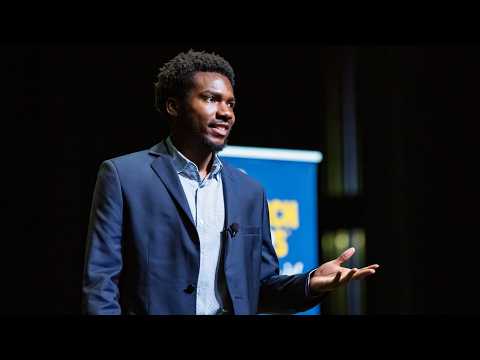
This research combines bio-inspired robotics and reinforcement learning to develop adaptable amphibious robots modeled after sea turtles. By learning through trial and error across diverse terrains, these robots can adjust their movement strategies in real time, improving performance in applications such as environmental monitoring, search and rescue, and agriculture.

2026
This research uses machine learning, data mining, and optimization techniques to identify hidden relationships between products in retail shopping baskets. By analyzing over two million transactions, it predicts how promotions affect demand across products and helps retailers design smarter discount strategies, improve inventory planning, increase profits, and enhance customer satisfaction.
2026
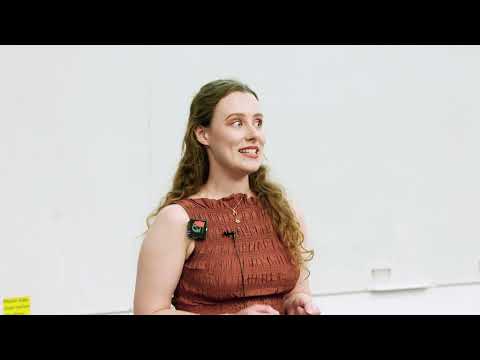
This research develops adaptable machine learning methods for wildlife monitoring using camera trap images. By clustering visually similar animal images, the system dramatically reduces the amount of manual labeling required while maintaining accuracy. The approach could enable faster, large-scale biodiversity monitoring critical for protecting endangered species worldwide.
2025
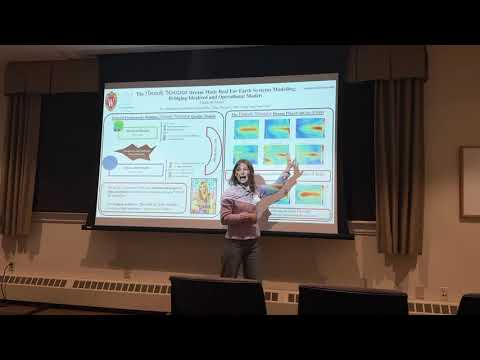
This research develops a machine-learning and data-assimilation framework that combines idealized and operational Earth systems models into a high-resolution, physically realistic “bridging model.” Applied to the El Niño–Southern Oscillation, the approach improves climate simulation accuracy while enabling exploration of alternative climate regimes and physically consistent what-if scenarios.

2026
This research improves weather and climate forecasting by studying how dry air mixes into thunderstorm clouds, a process called entrainment. Using satellite observations, radar data, and interpretable machine learning, the work refines outdated cloud physics models, helping scientists better predict severe weather, hurricanes, and long-term climate behavior.
2026
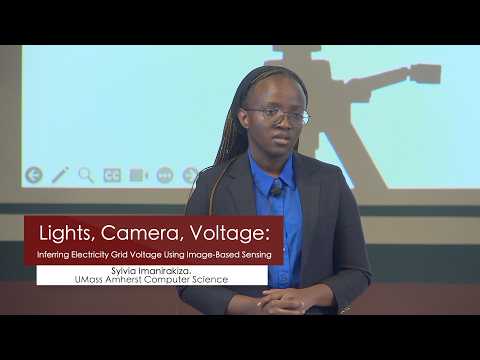
This research uses computational photography and machine learning to monitor electricity quality through the flickering patterns of everyday lights. By analyzing images captured in cities such as Kampala and Nairobi, the work offers a low-cost method for measuring voltage instability and improving power-grid planning in underserved communities lacking reliable electricity infrastructure.