Year
2025
Summary

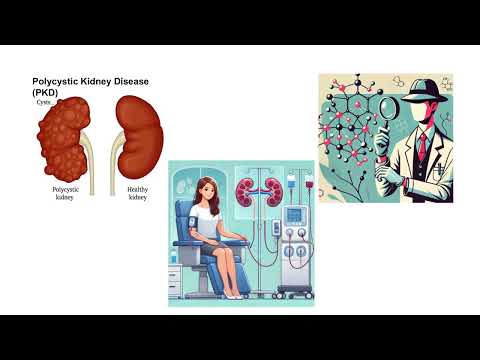
The speaker studies polycystic kidney disease by identifying missing or damaged proteins that destabilize the kidney’s filtration network. Using BioID and mass spectrometry, they map healthy versus diseased protein interactions to pinpoint weak spots. This work aims to enable targeted therapies and personalised treatments for PKD patients.


Year
2025
Summary

Migraine affects over 10% of people and disproportionately impacts women. This research studies sex differences in brain circuits using mouse models to understand why. By manipulating neural pathways, findings show certain circuits trigger migraine-like sensitivity only in females. Mapping these circuits may enable personalized, more effective migraine treatments.

Year
2025
Summary

PCBs, toxic “forever chemicals” found in older school buildings, accumulate in body fat and trigger harmful inflammation. This research shows that PCB-exposed fat cells recruit excessive immune cells, creating an uncontrolled inflammatory response that contributes to obesity and diabetes. Understanding this mechanism opens pathways for treatments targeting fat–immune cell communication.

Year
2016
Summary

This research maps how drugs travel from the cerebrospinal fluid into the brain, offering an alternative to the blood–brain barrier for treating Alzheimer’s disease. Using mouse models, the study identifies specific drug-entry routes and differences in drug penetration, paving the way for targeted, efficient therapies guided by a “Google Brain Map” of delivery pathways.

Year
2025
Summary

Obesity and type 2 diabetes weaken bones, increasing fracture risk. This research uses animal models of lean, obese, and diabetic conditions to examine how these diseases affect bone strength. By identifying the mechanisms behind bone fragility, the study aims to guide future dietary and therapeutic strategies to protect bone health in affected populations.

Year
2025
Summary

Migraine affects over a billion people, yet its cellular mechanisms remain unclear. This research studies how CGRP-blocking drugs interact with two key receptors—CGRP and AMY1—to understand why treatments help some patients but not others. The findings may guide development of more effective, targeted migraine therapies and reduce debilitating attacks.

Year
2025
Summary

My research uses spatial RNA sequencing to map where genes are expressed within tissues affected by chronic inflammatory diseases. By capturing genetic information with precise spatial coordinates, it creates an atlas of disease-driving genes. This deeper understanding may reveal new biomarkers and therapeutic targets, enabling future treatments beyond symptom management.

Year
2024
Summary

My research investigates tiny particles released by metastatic cancer cells—messengers that help cancer hide from the immune system. By capturing and analysing these particles, the study aims to uncover how they evade detection and to develop new strategies that “teach” the immune system to recognise and neutralise them, leading to safer, more effective cancer therapies.

Year
2018
Summary

This research searches for new antibiotics in deep-sea sponge bacteria that have evolved for 580 million years to defend their hosts. By growing these never-before-seen microbes and testing them against superbugs like MRSA, the project aims to discover urgently needed antibiotics to combat rising antimicrobial resistance.

Organisation
Year
2025
Summary

The researcher rebuilds how cells sort materials to understand Alzheimer’s and Parkinson’s diseases. Using proteins and lipids like Lego pieces, they study how a key protein, retromer, malfunctions and disrupts cell transport. With cryogenic electron tomography, they aim to model this process and guide new treatments that restore healthy cellular function.

Organisation