Type 1 diabetes affects millions worldwide and often begins in childhood, with no cure or prevention. This research uses early-life blood samples and single-cell immune profiling to identify genetic changes in immune cells before disease onset. The findings reveal new biomarkers that could enable early detection, targeted therapies, and future disease prevention.


This research explores how mast cells—immune cells responsible for allergy symptoms—can be repurposed to strengthen vaccines. By targeting mast cells with nasal vaccines, stronger and longer-lasting immune responses may be generated, particularly benefiting high-risk populations and improving protection against infectious diseases.

This research explores how parasitic tapeworms suppress the immune system and how their mechanisms could inspire new treatments for autoimmune diseases. As infections decline, autoimmune conditions rise. Studying rat tapeworm–derived extracellular vesicles, the lab investigates how these molecular signals reprogram inflammatory macrophages, potentially leading to novel therapies that safely regulate immune dysfunction.

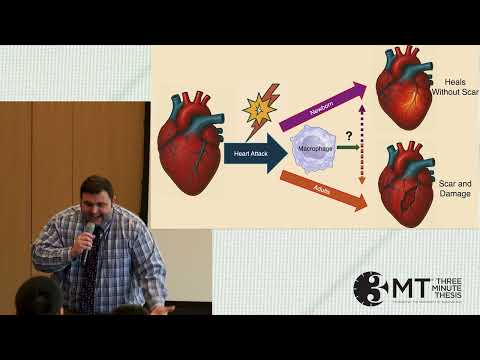
This research explores how tissue-resident macrophages guide immature heart muscle cells during early development. By identifying immune signals that enable scar-free heart regeneration in newborns, the work aims to uncover therapeutic pathways that could restore regenerative capacity and improve outcomes for patients with heart disease.

Malaria infects hundreds of millions each year by using the parasite Plasmodium to invade the liver through the CSP protein. This research designs tightly binding antibodies to block infection at its earliest stage, improving vaccine effectiveness and offering a path toward preventing malaria before symptoms begin.

This research examines how macrophages shift between tumor-fighting and tumor-supporting roles in breast cancer. By identifying signals in the tumor microenvironment and engineering molecular cues to promote tumor-destroying behavior, the work aims to reprogram immune responses and improve therapeutic outcomes for breast cancer patients.

Variants weaken current COVID vaccines because they target parts of the spike protein that mutate. This project uses nanoparticles displaying engineered versions of the conserved RBD region to steer the immune system toward making broadly protective antibodies. Computational design helps optimize immune targeting, potentially eliminating yearly boosters and protecting against future coronaviruses.

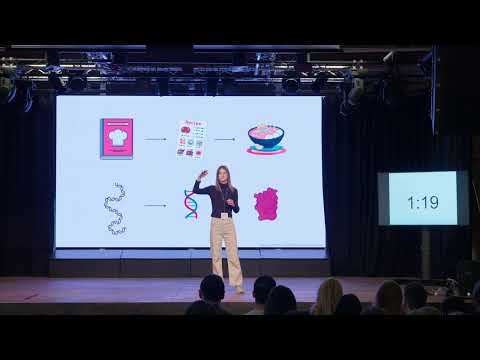
This research focuses on strengthening fragile mRNA molecules to create vaccines that are more stable, effective, and easier to distribute. By modifying mRNA structure to resist degradation, vaccines could be stored at higher temperatures and maintain potency, expanding access—especially in low-resource regions—and improving global readiness for future pandemics.

This research targets the earliest stage of allergic and asthmatic immune reactions by blocking key cytokine “messages” sent from T cells to B cells. Using drug-discovery techniques, the project identifies compounds that prevent immune overreaction before symptoms begin, aiming to develop a new class of long-lasting preventative allergy and asthma treatments.

My research presents a self-administered microneedle patch made from hyaluronic acid that delivers vaccines quickly, painlessly, and effectively. Testing with a COVID-19 spike RBD antigen shows immune responses comparable to traditional injections. The patches are low-risk, easy to use, and can be stored at room temperature for a month—ideal for widespread vaccination.