This research combines bio-inspired robotics and reinforcement learning to develop adaptable amphibious robots modeled after sea turtles. By learning through trial and error across diverse terrains, these robots can adjust their movement strategies in real time, improving performance in applications such as environmental monitoring, search and rescue, and agriculture.
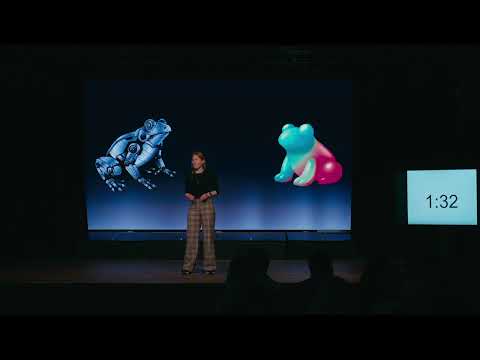
This research develops soft robots using liquid crystal elastomers that act as artificial muscles. By designing materials at the molecular level and 3D printing them into responsive structures, researchers can create flexible robots that move like animals. These soft robots could navigate tight spaces during search-and-rescue missions after disasters.