
This research combines bio-inspired robotics and reinforcement learning to develop adaptable amphibious robots modeled after sea turtles. By learning through trial and error across diverse terrains, these robots can adjust their movement strategies in real time, improving performance in applications such as environmental monitoring, search and rescue, and agriculture.
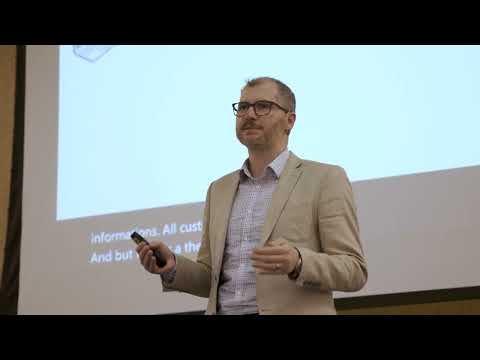
Flash memory stores essential data but degrades with repeated use, limiting reliability in long-term applications like cars and satellites. Inspired by biological circadian rhythms, this research introduces “recovery periods” for memory cells to rest and repair. The approach improves flash memory lifespan up to ninefold, enabling more durable and dependable storage systems.
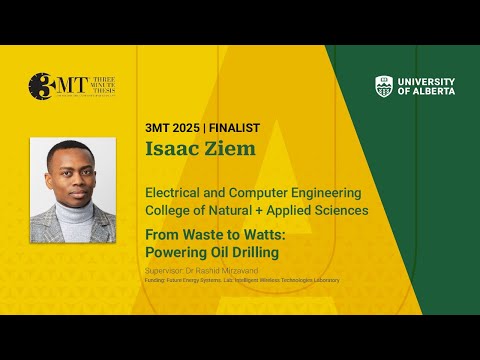
This research converts waste heat from high-temperature oil extraction into usable electrical energy. By designing circuits that withstand harsh underground conditions and amplifying low outputs, the system powers real-time monitoring devices along pipelines. The work pioneers sustainable energy harvesting where it has never succeeded before, reducing waste heat and contributing to climate solutions.