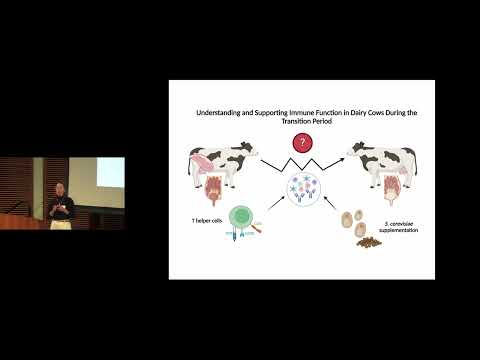
This research examines immune function in dairy cows during the transition from pregnancy to lactation, a period of high disease risk. Focusing on T helper cells, the study shows that yeast supplementation reduces inflammatory activation markers, suggesting a potential strategy to support immune health, improve animal welfare, and reduce disease-related losses in the dairy industry.
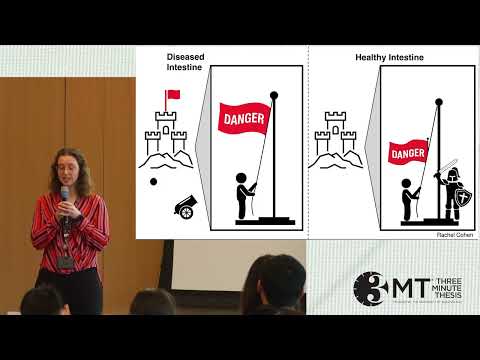
Intestinal cells protect us from harmful bacteria by forming a physical barrier and raising immune danger signals when needed. This research reveals a nuclear “knight” molecule that suppresses unnecessary immune activation during metabolic stress, helping maintain intestinal health and preventing excessive inflammation.

This research presents an anti-inflammatory surgical gel that actively reprograms the immune response at the injury site. Rather than masking symptoms, it promotes proper healing, reduces prolonged inflammation, and improves recovery—especially for patients with delayed healing, such as those with diabetes—aligning biomaterials with modern surgical precision.
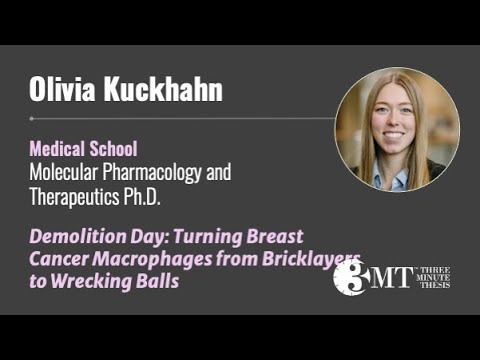
This research examines how macrophages shift between tumor-fighting and tumor-supporting roles in breast cancer. By identifying signals in the tumor microenvironment and engineering molecular cues to promote tumor-destroying behavior, the work aims to reprogram immune responses and improve therapeutic outcomes for breast cancer patients.

This research shows that doxorubicin disrupts immune signaling between the spleen and heart, priming inflammatory cells that worsen cardiac damage when hypertension develops later in life. Using a two-hit mouse model, the work reveals a heart–spleen axis and identifies immune cells as targets to protect childhood cancer survivors from heart failure.

PCBs, toxic “forever chemicals” found in older school buildings, accumulate in body fat and trigger harmful inflammation. This research shows that PCB-exposed fat cells recruit excessive immune cells, creating an uncontrolled inflammatory response that contributes to obesity and diabetes. Understanding this mechanism opens pathways for treatments targeting fat–immune cell communication.
This research targets the earliest stage of allergic and asthmatic immune reactions by blocking key cytokine “messages” sent from T cells to B cells. Using drug-discovery techniques, the project identifies compounds that prevent immune overreaction before symptoms begin, aiming to develop a new class of long-lasting preventative allergy and asthma treatments.