This research develops advanced brain-machine interface systems to improve life for spinal cord injury patients. Using neural networks such as FinNet and dynamic recurrent neural decoders, the work aims to better extract and translate brain activity into movement while creating low-power hardware capable of supporting long-term practical neuroprosthetic applications.
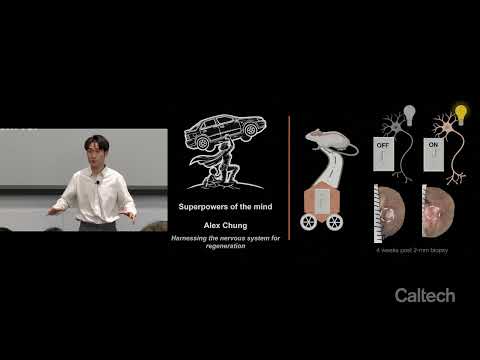
This research investigates whether activation of the sympathetic nervous system can enhance tissue regeneration. Using engineered neural switches in mice, the study demonstrated improved healing after ear injury, including growth of nerves, blood vessels, and cartilage. The findings suggest that nervous system regulation may play an important role in future regenerative medicine therapies.