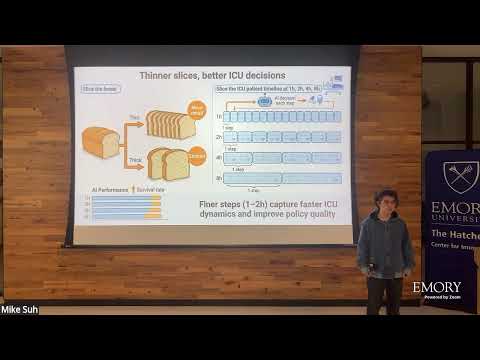
This research investigates how the choice of time interval affects reinforcement learning models for sepsis treatment in intensive care. By comparing one-, two-, four-, and eight-hour patient timelines, it demonstrates that shorter intervals better capture patient dynamics, improve estimated survival outcomes, and may enable more effective AI-assisted clinical decision-making.
2025
This research examines how AI is used in NHS radiology and challenges claims that it will replace radiologists. Instead of full automation, AI supports clinicians, helping manage workforce shortages while radiologists retain responsibility for diagnosis and treatment decisions. Evidence, not hype, should guide debates about AI and work.
Mel-AI is an artificial intelligence system designed to assist pathologists in distinguishing melanoma from benign moles. By training computer-vision models on 520 cases, the system reached 96% accuracy and interpretable outputs. It offers scalable, objective quality assurance, reducing misdiagnosis risk and improving melanoma detection in high-incidence countries like Australia.