
This study examines cognitive reserve theory by investigating the relationship between education and cognitive performance across developed and developing countries. Using numeracy and verbal fluency measures, it finds that higher education consistently improves cognition. However, cognitive performance is largely similar across countries once education level is considered, challenging assumptions about educational quality differences.

Using longitudinal data from 30,000 South Korean children, this study shows that child abuse significantly increases suicidal thoughts, especially with prolonged exposure. Crucially, strong social connections—such as team sports, supportive teachers, and caring neighbors—dramatically reduce this risk, highlighting social interaction as a key source of resilience.
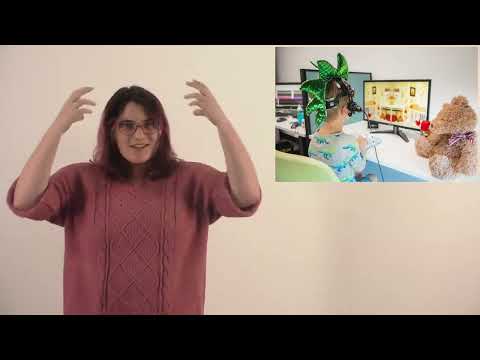
This research investigates how children use the left and right hemispheres for language and spatial reasoning. Using ultrasound while children play custom games, it shows that those with the typical left-language/right-spatial pattern tend to have stronger skills. The findings reveal how brain-activity patterns relate to developmental risks and complex tasks like reading.