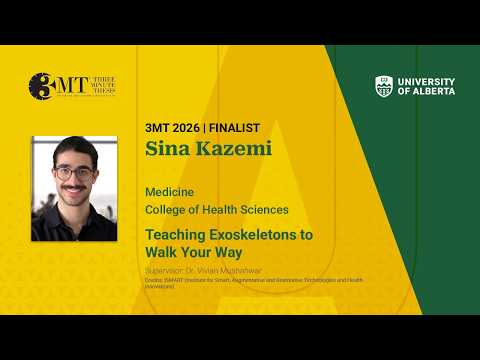
This research develops digital twin systems to personalise robotic exoskeleton movement. By integrating biomechanical modelling with real-time robotic control, it enables adaptive, user-specific walking patterns. The approach aims to improve rehabilitation outcomes by making assistive devices more natural, responsive, and aligned with individual movement needs.