This study examines the relationship between sexual position discordance, sexualized substance use, and sexual satisfaction among nearly 2,000 sexual minority men in Canada. While discordance between preferences and behaviors was common and not linked to lower satisfaction, frequent use of substances such as crystal meth and poppers was associated with reduced sexual satisfaction.
2026
This research develops a group-based attachment intervention for emerging adults, particularly college students. Combining individual attachment-history interviews with peer group discussions, the program promotes mentalization, emotional security, and relational growth. Using mixed-method evaluation, the study explores how young adults can reshape attachment patterns and build healthier interpersonal relationships.
2026
This research examines how alcohol affects the severity and outcomes of suicide attempts among military service members and veterans. By analyzing documented attempts and personal narratives, the study reveals that alcohol often increases impulsivity and lethality, while occasionally interrupting attempts unintentionally, highlighting the need for alcohol-aware suicide prevention strategies.

2025
This research develops an immersive, memory-based VR experience for ICU patients to reduce anxiety, build emotional resilience, and support recovery. Co-designed with clinicians and game developers, the system offers non-drug psychological support in an environment where 77% of patients experience anxiety. The goal is to improve comfort, control, and clinical outcomes.
2018
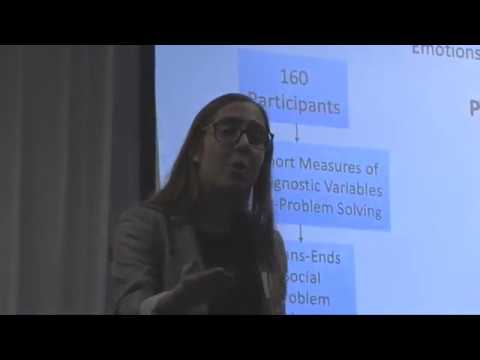
This research investigates why people struggle with interpersonal problem-solving, especially in the context of psychological disorders. Using surveys and the MEPS task with 160 participants, the study found that emotion-regulation difficulties and experiential avoidance explain 46% of poor problem-solving. Improving emotional acceptance may significantly enhance responses to interpersonal conflict.