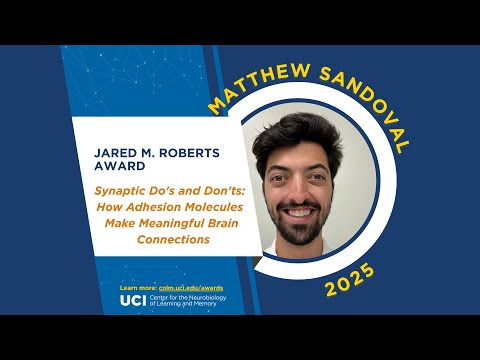
Drawing on personal experience with depression and anxiety, this researcher studies synaptic adhesion molecules—key proteins that shape how neural connections form and adapt. By understanding how these molecules change across development, the work aims to uncover molecular mechanisms behind neuropsychiatric disorders and inform future treatments or prevention strategies.

Mental health disorders disrupt neural connections in the brain, yet most treatments only manage symptoms. This research explores psychedelic-inspired drugs that restore lost brain connections without hallucinogenic effects, using automated imaging tools to identify compounds that rebuild neural structure and offer lasting recovery.
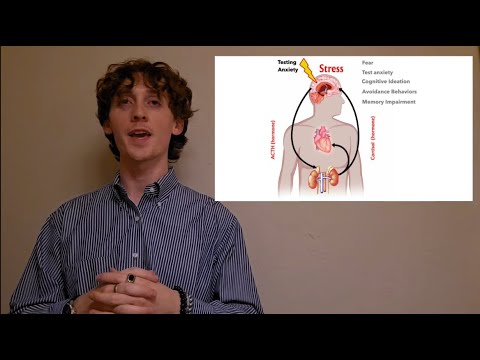
This research explores how chronic stress reshapes the brain through genetic mechanisms. By studying the stress-regulating gene MeCP2 in mice, the work shows how early-life stress can lock the brain into a heightened anxiety state, revealing biological pathways that may inform future treatments for stress-related mental health disorders.

2025
This research examined whether mental imagery training enhances neural efficiency and performance in basketball free throws. A single imagery session didn’t change EEG activity or performance overall, but higher confidence improved outcomes. Findings suggest imagery may boost performance indirectly through psychological factors, requiring longer or combined training for measurable neural effects.

Parental rage is common but often misunderstood. Surveying 400 parents, this research finds that 77% experience rage monthly, strongly linked to anxiety, overwhelm, and low support. Mothers, younger parents, and those with high anxiety are most affected. Social support emerges as the key protective factor, reframing rage as a mental-health signal.
2022
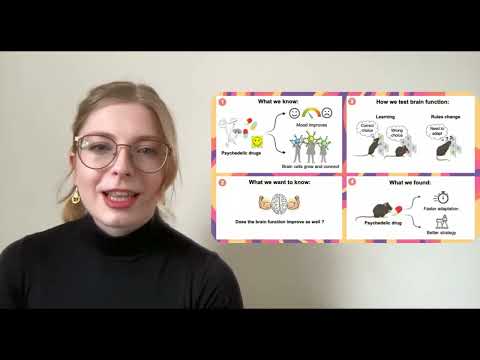
This research tests whether psychedelics improve adaptability in mice. After learning reward rules, mice with a single psychedelic treatment relearned new rules faster and used more information—learning not only from rewards but also from missed rewards. The findings suggest psychedelics enhance behavioral flexibility, offering clues for developing future mental health treatments.

This study examined anxiety in online learning using surveys and qualitative responses. Higher social presence reduced anxiety, while higher teaching presence unexpectedly increased it. Students preferred peer-led groups, frequent low-stakes tests, and clear instructor guidance. The findings suggest practical strategies to design online courses that better support anxious students.
2024
Small business owners face high rates of anxiety, burnout and financial stress. This research shows business advisors—accountants, bookkeepers, consultants—can effectively support clients’ mental health when trained. Evaluating a large-scale advisor training program, the study finds advisor-led support improves owner well-being and offers a scalable solution to Australia’s small-business mental-health crisis.
2023
Why does exercise reduce pain for some people with knee osteoarthritis but not others? By examining psychological factors, educational messaging, and brain stimulation, the studies aim to enhance exercise-induced hypoalgesia and develop effective, drug-free pain-relief strategies that can transform knee osteoarthritis into a manageable condition rather than a lifelong disability.

2018
This research investigates why people struggle with interpersonal problem-solving, especially in the context of psychological disorders. Using surveys and the MEPS task with 160 participants, the study found that emotion-regulation difficulties and experiential avoidance explain 46% of poor problem-solving. Improving emotional acceptance may significantly enhance responses to interpersonal conflict.