2024
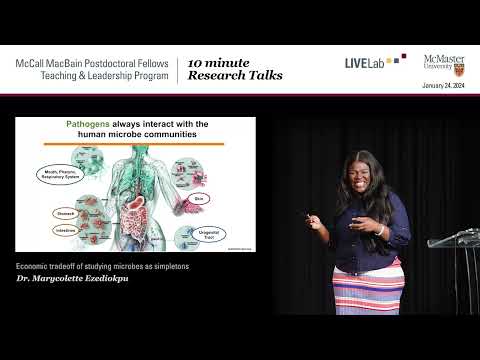
Microbial natural products represent a major economic opportunity, but studying microbes in isolation limits discovery. This work argues for community-level approaches, showing how microbial interactions drive novel functions, including antibiotic production. Understanding microbial consortia can unlock innovation across medicine, agriculture, and industry, maximizing the economic and scientific potential of microbial systems.