This research examines how race and gender shaped tap dance performance during Hollywood’s Golden Age through the careers of Eleanor Powell and Jeni Le Gon. The thesis reveals how MGM appropriated Black performance traditions while suppressing Black performers themselves, demonstrating that dance and performance are deeply political cultural practices.
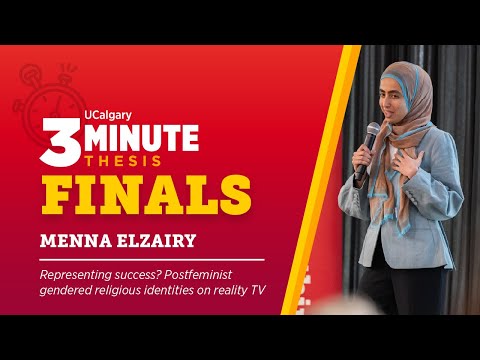
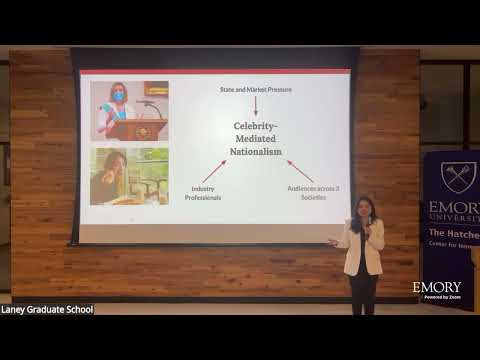
This feminist cultural studies project analyses reality television narratives linking women’s empowerment to entrepreneurship and the abandonment of religion. Through discourse analysis of multiple reality shows, the research argues that empowerment is framed as individual transformation rather than collective change, reinforcing capitalist ideals while portraying religious identities as incompatible with female success.
This research uses Marxist theory to examine why superhero fiction resonates today. It argues that in an era of wage stagnation and rising costs, superheroes represent an escape from worker alienation by offering visible, meaningful impact. It also critiques billionaire heroes like Batman and Iron Man as symbols of economic power framed as virtue.
This research analyses Urdu women’s magazines and interviews with readers to highlight how North Indian Muslim women use popular literature to express identity, debate social issues, and build community. By recognising these magazines as meaningful cultural archives, the project challenges stereotypes and restores Muslim women’s voices to the centre of academic discourse.