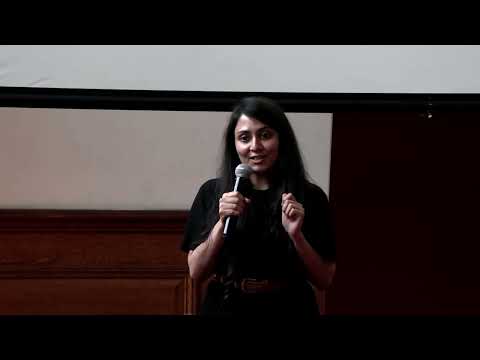
This research explores the material culture of the Hindu Pushti Marg tradition by tracing the objects used to care for the child deity Krishna. Through ethnographic work in India and the United States, the thesis reveals how sacred worlds are sustained through often-unrecognized labor crossing boundaries of caste, gender, and religion.
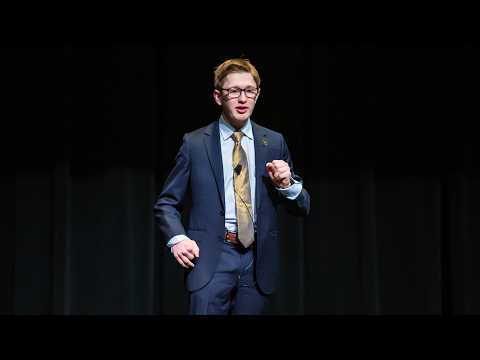
AI can answer religious questions, but it often blends traditions and provides incomplete answers. While specialized models exist, general models like ChatGPT can perform better due to broader training data. The key insight is that theology remains a human, dialogical process—AI should assist, not replace, human judgment and interpretation.
2026
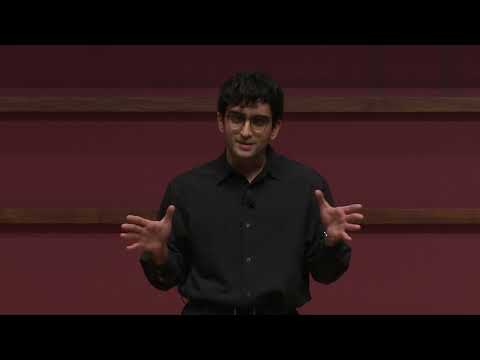
This research examines ancient Aramaic incantation bowls used to ward off demons, revealing how religious practices in late antiquity crossed Jewish, Christian, and Zoroastrian boundaries. By analyzing hundreds of artifacts and tracing their modern illicit trade, the study highlights both historical interconnectedness and contemporary ethical challenges in studying looted cultural heritage.
2026
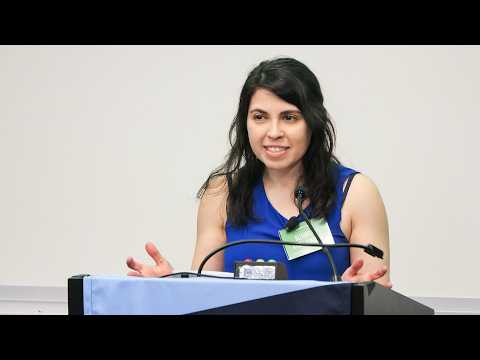
This research challenges the narrative that Buddhism in US prisons primarily serves rehabilitation. It highlights the active role of incarcerated individuals in shaping religious practice and critiques simplistic contrasts between “prisoner” and “Buddhist.” By emphasizing diversity, community, and structural conditions, it calls for a more nuanced understanding of religion within carceral systems.