Year
2014
Summary

This research reinvents wastewater treatment by adapting circulating fluidized bed reactors—normally used in petrochemicals—to grow bacteria on small surfaces and efficiently remove waste. Mobile, trailer-mounted reactors provide high-performance treatment without large facilities, making them ideal for dense cities, remote communities, and overburdened systems.
Year
2022
Summary

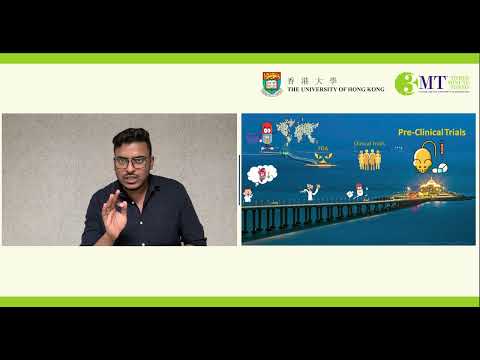
This research tests the safety of a new hypertension drug designed for patients who don’t respond to current medications. Through four phases of pre-clinical toxicology studies in cells and mice, the drug showed no major toxicity and effectively lowered blood pressure, supporting its progression toward future human clinical trials.

Year
2019
Summary

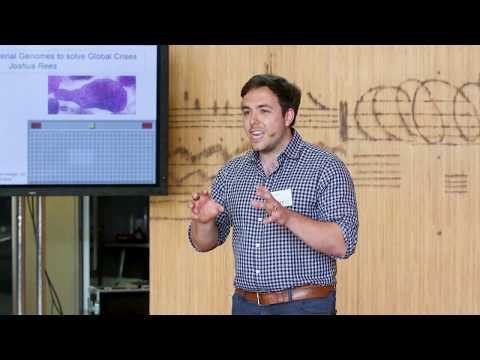
This research develops a Minesweeper-inspired algorithm to identify and remove non-essential genes from Mycoplasma genitalium, the smallest known self-replicating organism. The algorithm eliminated 35% of the genome in simulation, offering a path to record-breaking minimal cells and improving bacterial strains used to produce antibiotics, vaccines, fuels, and climate-solution technologies.

Organisation
Year
2025
Summary

A hidden evolutionary arms race unfolds between bacteria and the viruses that attack them. By understanding how bacteria cut and rearrange DNA through recombination, researchers can harness these mechanisms for precise gene editing. This work could enable powerful new treatments for genetic diseases, helping patients like the first personalised-therapy recipient, KJ.

Organisation