
This winning presentation examines how disabled young adults experience the transition from school to adulthood. Using accessible interviews and layered multimodal analysis, it captures communication beyond speech. Findings show that belonging, relationships and purpose matter, but being listened to is the top priority, and future planning should begin with people’s goals.
2025
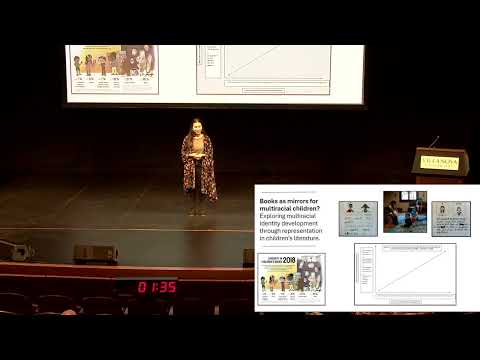
This study examines how multiracial representation in children’s literature influences identity development. Through a library reading program, observational, visual, and narrative data showed that multiracial children engage more deeply and express stronger identity integration when represented. Findings highlight the importance of inclusive storytelling in fostering belonging and supporting healthy racial identity formation.

This research explores “emotional infrastructure” in cities—small, often overlooked traces like graffiti and stickers that foster connection and belonging. It argues that urban experience is shaped not just by physical structures but by shared emotional signals, urging people to break out of digital isolation and engage with the lived environment around them.