2025
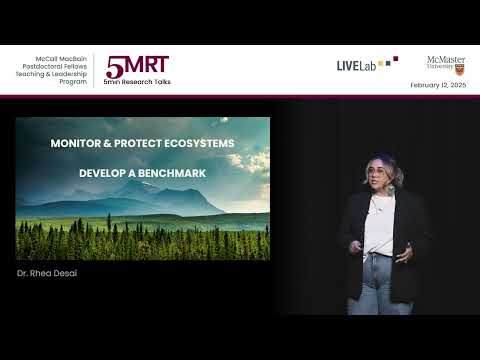
This research explores small modular reactors (SMRs) as a low-carbon energy solution, particularly for remote communities. It emphasizes environmental monitoring, biodiversity protection, and non-radiological risks, alongside meaningful engagement with Indigenous communities. Integrating scientific and local knowledge is essential to ensure responsible deployment and sustainable energy transitions.