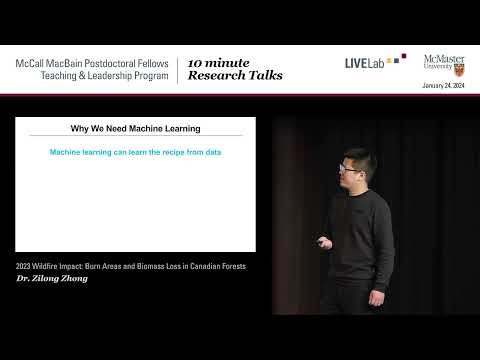
This research uses Google Earth Engine and machine learning to map burned areas and estimate biomass loss from Canada’s 2023 wildfires. The analysis found 19.48 million hectares burned and about 2,830 megatons of biomass lost. These tools improve disaster assessment, ecological recovery planning, and environmental decision-making at national scale.
This study reviews how climate change affects European beech distribution and its alignment with the Natura 2000 network. Findings show declines in warm, dry margins, upward shifts in mountains, and limited northern expansion. Water deficit is the main driver. Effective conservation requires connectivity, adaptive management, and climate-informed protected-area planning.

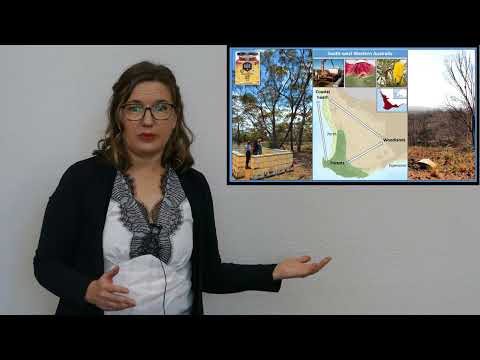
This research shows how declining honeybee productivity in Western Australia reflects broader ecosystem degradation. Beekeepers rely on healthy, biodiverse landscapes, but logging, fire regimes, and climate change reduce nectar availability. Integrating beekeeper ecological knowledge into land management can support pollination, biodiversity, and conservation outcomes for both agriculture and native species.