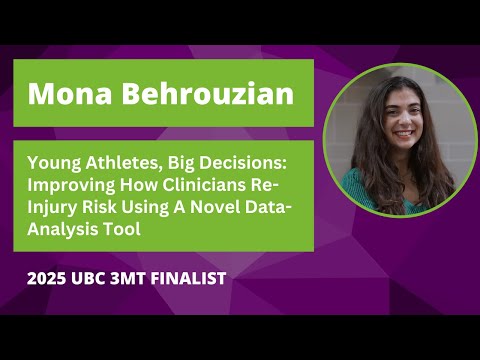
This research develops an objective, data-driven approach to return-to-sport decisions after pediatric knee surgery. Using motion capture and advanced data analysis, it identifies hidden movement patterns linked to re-injury risk. The goal is to improve clinical decision-making, reduce repeat injuries, and make injury prevention more accessible beyond specialist clinics.

Acetaminophen is widely used in pregnancy despite limited evidence about its risks. This research examines whether acetaminophen affects birth timing and weight, who uses it and why, and how clinicians make recommendations. By mapping lived experiences, medical guidance, and outcomes, the project aims to clarify risks and support informed decision-making for families.