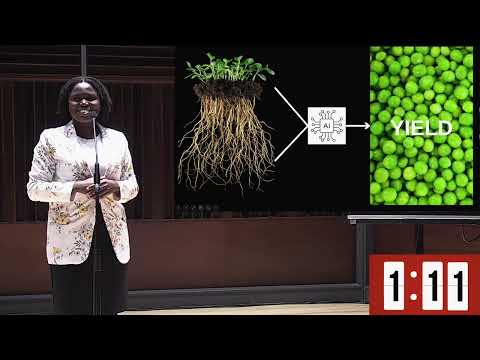
My research uses field images to predict crop yield, leveraging machine learning techniques to extract patterns and features correlating yield. These features include plant health indicators, growth stages, or canopy coverage. I am particularly interested in using these features to develop models that improve the accuracy of yield prediction, helping farmers make data-driven decisions. My approach considers temporal changes in the crop, capturing how its characteristics evolve. My work contributes to precision agriculture, a field that seeks to optimize resource use, increase productivity, and promote sustainability in farming. My research has the potential to transform traditional agricultural practices by integrating advanced AI methods.