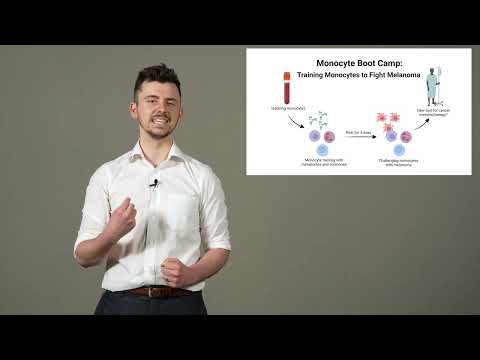
Cancer cells can suppress immune responses, limiting the long-term effectiveness of immunotherapy. This research shows that monocytes—key immune cells—can be “trained” using metabolites to become more effective at attacking cancer. Understanding and harnessing this trained immunity could improve immunotherapy outcomes and help predict which patients benefit most from treatment.

Toxoplasma gondii is a widespread parasite introduced to New Zealand via cats and increasingly threatens native wildlife. This research conducts the first national survey of toxoplasmosis in native birds, identifying infection prevalence, affected organs, and ecological risk factors to better understand its impact on biodiversity.

Microplastics are increasingly found in human bodies, driven by everyday plastic use such as milk bottles. This research examines why consumers continue choosing plastic and identifies systemic barriers to reusable options. By improving affordability, convenience, and incentives, sustainable choices can become the default rather than the exception.