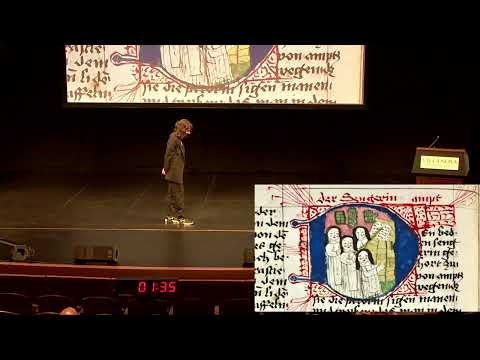
This research analyzes medieval letters between Heinrich Seuse and Margaret Ebner to explore alternative models of personhood. Through communal reading practices, Margaret is celebrated as complex and indeterminate. The study challenges rigid Western identity norms, highlighting a theological tradition that embraces ambiguity and values personhood beyond fixed categories and binaries.