This study mapped land use changes in the Grombalia Region of Tunisia using Sentinel-2 imagery and machine learning. Three classifiers—Random Forest, SVM, and CNN—were compared. Random Forest achieved the highest accuracy. Results highlight agricultural changes over time and demonstrate the effectiveness of remote sensing for environmental monitoring.
2023
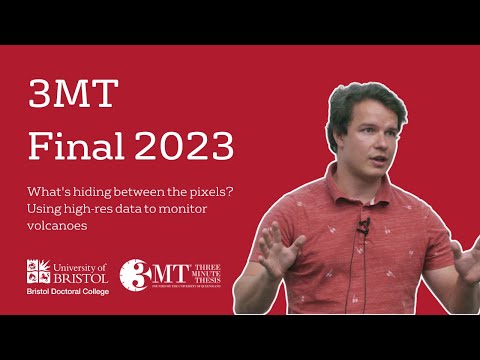
This research uses high-resolution satellite imagery to detect ground deformation at volcanoes, a key warning sign of impending eruptions. Low-resolution data often hides these signals, but fine-scale images reveal them clearly. Expanding high-resolution monitoring worldwide could allow earlier warnings, saving lives and reducing volcanic risk for millions.