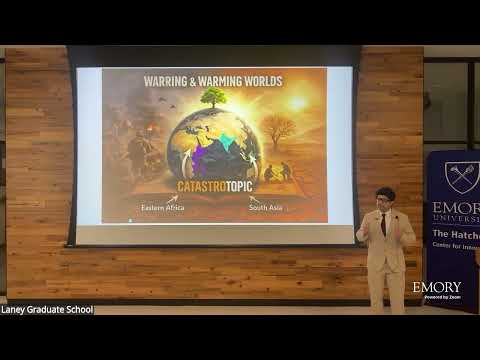
This dissertation examines contemporary literature from South Asia and Eastern Africa to explore how narratives of war and climate crisis reshape our understanding of survival, care, and belonging. Introducing the concept of the catastrophopic, it argues that Global South literature offers powerful frameworks for ecological responsibility and collective world-making.
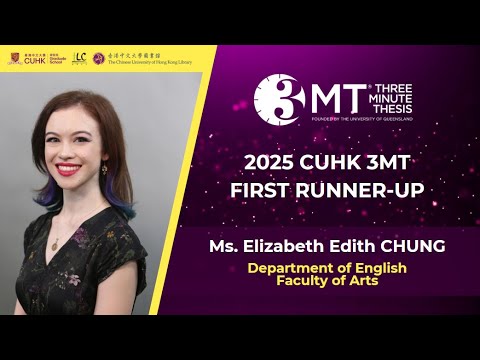
2025
This research explores how community enables experimental literature in Hong Kong, particularly among minority writers. Rather than representing entire groups, individual texts function like stars in a constellation. Supportive literary communities foster creativity, agency, and experimentation, reshaping how contemporary art and authorship are understood.