Millions of bilingual individuals struggle to access speech-language pathology and audiology services due to a shortage of bilingual clinicians. This work addresses disparities by training future bilingual professionals and creating culturally relevant Spanish-language resources, reducing misdiagnosis and improving communication outcomes for linguistically diverse communities across the United States.
2025
This research develops a risk-based model to prioritize gallbladder surgery for women with gallstones in high-risk regions. Using ultrasound and clinical data from Chilean women, the model predicts gallbladder cancer risk, enabling life-saving triage, earlier intervention for high-risk patients, and avoidance of unnecessary surgery.

This research examines whether reducing food insecurity increases physical activity among adults with high blood pressure. Using clinical trial data and interviews, it finds that coaching, physical function, and food access shape activity levels. Addressing food insecurity and physical activity together is essential for promoting equitable, heart-healthy lifestyles.
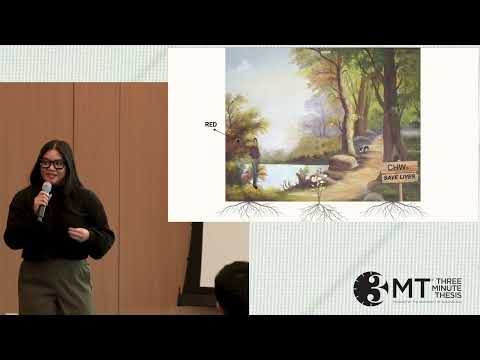
Community health workers help marginalized communities navigate complex health systems but face burnout, low pay, and limited recognition. Through interviews across Colorado, this research reveals how systemic inequities affect CHWs and offers worker-driven recommendations to strengthen programs, policies, and workforce sustainability.

This research examines how “sitting is the new smoking” headlines affect people with spinal cord injury. Interviews revealed these messages are harmful and exclusionary. Reframing sedentary behavior as low energy expenditure, rather than sitting itself, improves understanding. The work promotes inclusive, evidence-based public health communication.
This talk highlights the lack of ADRD resources and care access for capital-D Deaf communities despite their elevated risk. Through community engagement, sign-language translations, and caregiver-informed guidelines, the research seeks to improve equitable aging and end-of-life support for Deaf individuals until a cure for Alzheimer’s becomes reality.
2025
Digital health expanded during COVID-19, but many services exclude people seeking support for alcohol and drug use. This research uses inclusive design, interviews, and workshops with people with lived experience to identify barriers, reduce stigma, improve usability, and guide industry toward creating accessible, equitable digital care for all.