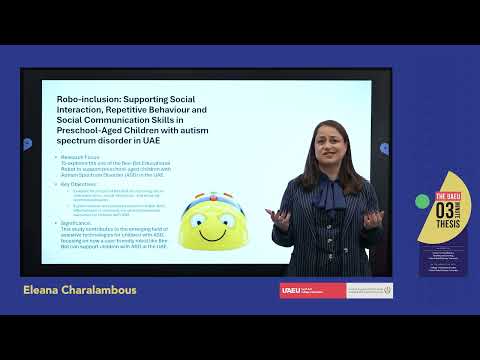
This research investigates the use of Bee-Bot, a programmable robot, to support children with autism. Structured robot-based activities aim to improve communication, social interaction, and purposeful play, while incorporating parent and teacher perspectives to assess long-term developmental and behavioral benefits.
This thesis introduces Armando, a low-cost soft robotic gripper with proprioceptive sensing using a single flexible capacitive sensor and neural-network decoding. Achieving 99% accuracy, Armando enables precise finger-position estimation for applications in prosthetics, assistive care, and disaster response, advancing accessible tactile robotics inspired by human touch.
My research improves brain–computer interfaces for children with disabilities by reducing the repetitive calibration needed before use. Using transfer learning and a team-selection algorithm, data from other users help personalise the system, cutting calibration by up to 90%. This makes creative activities like painting more accessible, enjoyable, and sustainable.