This research investigates how electrolyte chemistry influences battery performance through the formation of the solid electrolyte interface (SEI). By developing fluoride-rich electrolytes for lithium metal batteries, the work improves battery stability and efficiency, advancing renewable energy storage, electric transportation, chemical manufacturing, and future energy technologies beyond conventional lithium-ion systems.
This research develops water-free electrolyte systems for electrochemical reactions and energy technologies. By replacing water with more stable solvents, the work enables improved batteries, renewable energy storage, and more efficient chemical manufacturing. Applications include long-range electric vehicles, planetary exploration systems, and lower-cost pharmaceutical production using recyclable chemical reagents.
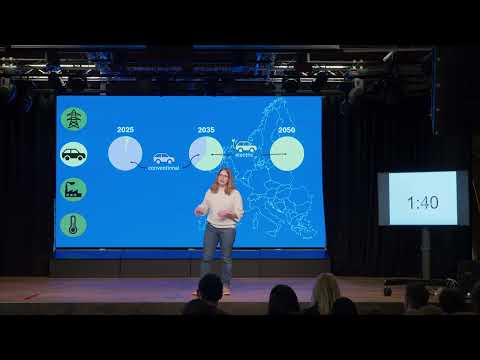
Using a European energy system model, this research compares pathways to climate neutrality by 2050. Focusing on land transport, it shows that electric vehicles are already the cheapest system-wide option, even without emission limits. Early investment in electric car infrastructure accelerates decarbonization and reduces long-term costs across Europe.

Batteries charge slowly and degrade over time. This research develops advanced supercapacitors using novel 2D materials and water-based electrolytes. The resulting devices charge rapidly, store five times more energy than conventional supercapacitors, last over 50,000 cycles, and offer a fast, affordable alternative for electric vehicles and energy storage.