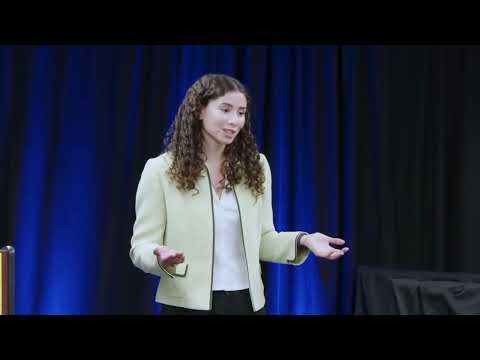
This research has developed an electronic nose that combines gas sensors with machine learning to detect food spoilage and hidden allergens. By recognizing unique scent signatures more accurately than the human nose, the technology could improve food safety, prevent allergic reactions, reduce food waste, and eventually be integrated into everyday devices.

2026
2025
This research examines how microorganisms in maple sap influence the quality of maple syrup. By studying bacteria such as Pseudomonas and Duganella, the project explores how environmental factors like temperature and iron availability shape microbial interactions during the tapping season, ultimately affecting syrup flavor, color, and overall production.
This PhD project investigates why long-life chocolate milk loses its flavour after 28 days. By analysing odor compounds, monitoring flavour changes over six months, and reformulating the product with industry partners, the research aims to create a longer-lasting, better-tasting chocolate milk and a general method for diagnosing and correcting flavour deterioration.